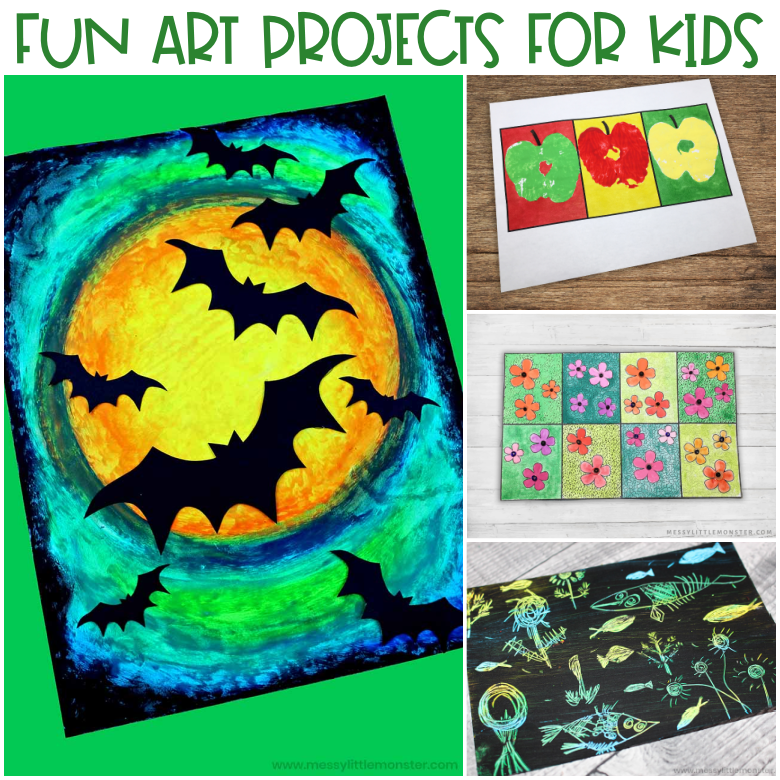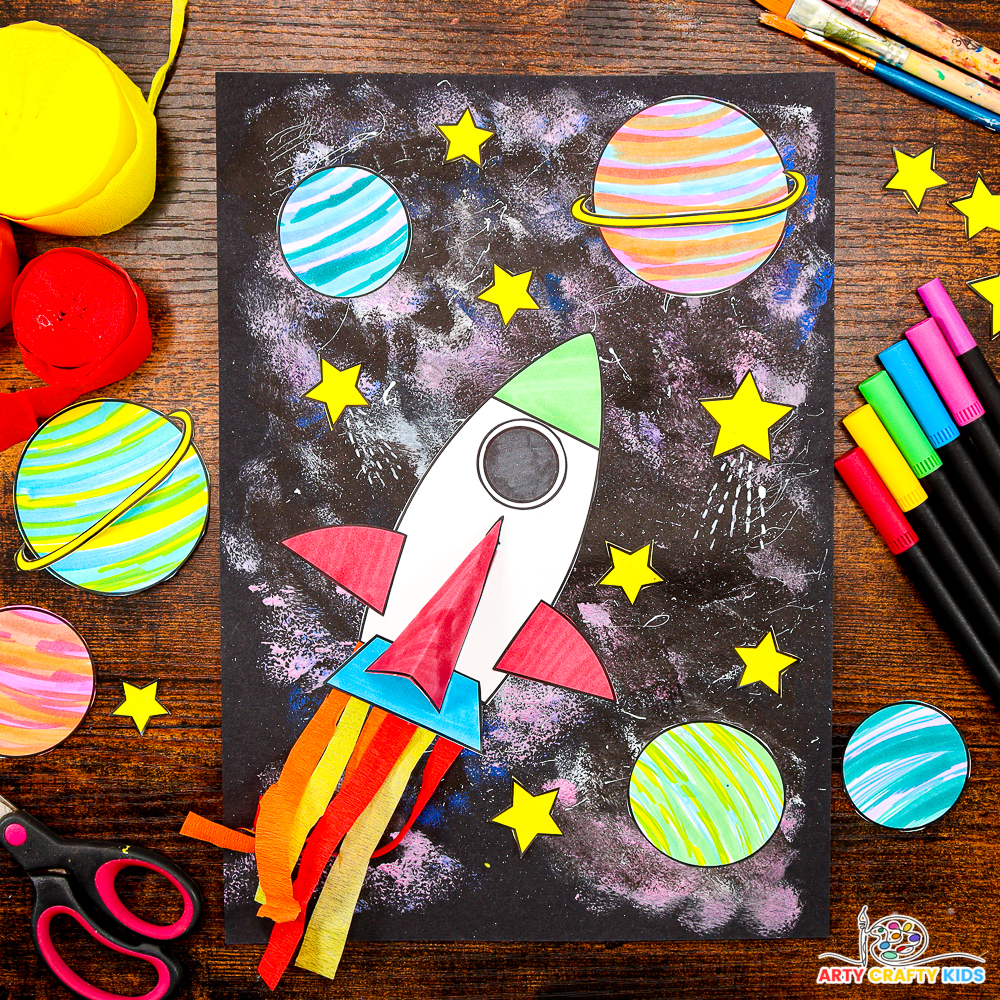
Art has always been a powerful tool for expression, and for kids, it’s an exciting way to explore their imagination, enhance their motor skills, and learn about the world around them. Art projects for kids are more than just a way to pass the time – they can help develop essential cognitive, emotional, and physical skills. Whether it’s through painting, sculpture, or mixed media, engaging in hands-on creative activities allows children to think critically, experiment with new ideas, and express their emotions in a safe and supportive environment.
In this article, we’ll explore several fun, easy-to-implement art projects that can keep kids engaged, help them develop new skills, and most importantly, allow them to enjoy the wonders of creativity.
1. Finger Painting Fun
What you’ll need:
- Non-toxic finger paint in various colors
- Large sheets of paper or butcher paper
- Old clothes or aprons (to protect from mess)
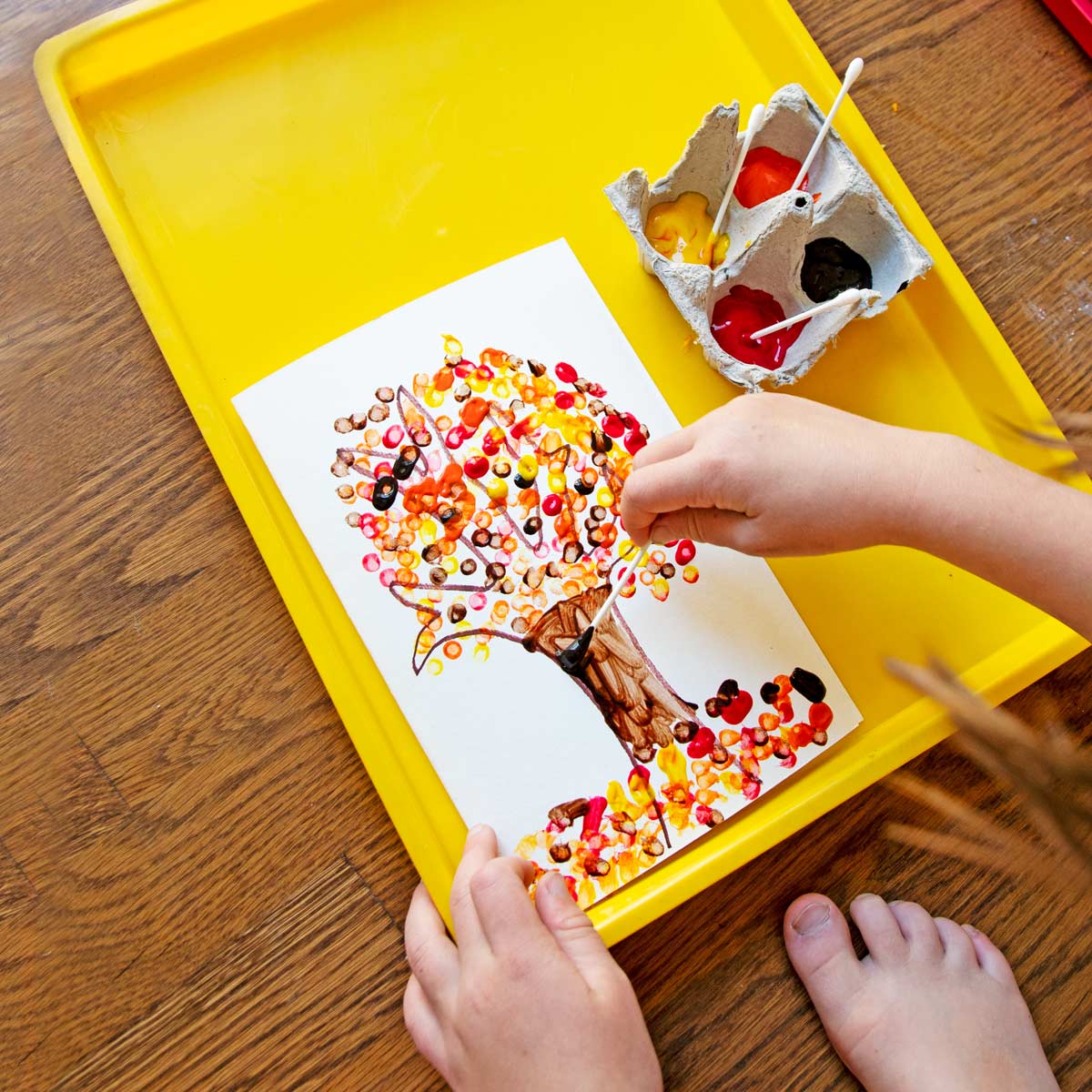
Finger painting is one of the most basic yet enjoyable forms of art for younger children. It allows them to experience art in a tactile way, using their hands to create textures and patterns. Kids can freely express their creativity by mixing colors, making handprints, or even trying to depict objects they see around them.
Activity tips:
- Let the kids explore different patterns like swirls, straight lines, and splashes.
- Encourage them to experiment with layering different colors to see how they mix.
- If you have younger children, you can introduce handprints, where they place their hands in the paint and stamp them onto the paper to create artwork.
Finger painting is not just fun but also helps kids develop their fine motor skills and hand-eye coordination as they learn how to control their finger movements.
2. Paper Plate Animals
What you’ll need:
- Paper plates
- Colored markers, crayons, or paints
- Construction paper (for ears, eyes, etc.)
- Glue
- Scissors (for older children)
Paper plate crafts are simple, inexpensive, and can be customized to create a variety of animals. Kids can turn a plain paper plate into a cute lion, bunny, fish, or even a bird, all while working on their creativity and fine motor skills.
Activity steps:
- Begin by coloring or painting the paper plate to create the animal’s face or body. For example, paint it yellow and add brown for a lion’s mane or paint it white for a bunny.
- Use construction paper to cut out shapes for the animal’s ears, eyes, nose, or mouth.
- Glue the paper pieces onto the plate, making sure to add small details like whiskers or eyebrows for extra flair.
- Kids can add extra features like feathers, glitter, or even googly eyes for a fun touch.
This project is ideal for younger children who can practice their scissor skills, color recognition, and fine motor abilities, all while learning about animals in the process.
3. Nature Collage
What you’ll need:
- Leaves, flowers, twigs, seeds, and small stones
- Construction paper or cardboard as a base
- Glue
Take a trip outside to collect natural materials like fallen leaves, petals, twigs, and stones. This project introduces children to nature while allowing them to create a beautiful, tactile collage.
Activity steps:
- After gathering materials, children can arrange them on the construction paper or cardboard in any pattern they choose.
- Help them glue the items down in place, creating their own piece of natural art.
- Encourage children to use their imagination – perhaps turning leaves into trees, stones into animals, or flowers into abstract patterns.
This project helps develop creativity, teaches about the environment, and provides an opportunity for outdoor exploration. It’s also a great way to integrate learning about different plants and nature into a fun art activity.
4. Clay Sculpting
What you’ll need:
- Air-dry clay or modeling clay
- Sculpting tools (optional)
- Paint (for decorating the sculpture after it dries)
Clay sculpting is an excellent way for kids to explore three-dimensional art. It allows them to mold and shape different forms with their hands, whether it’s an animal, a bowl, or even an abstract shape. Clay projects are not only fun but also help to strengthen hand muscles and improve fine motor coordination.
Activity steps:
- Give the child a piece of clay and let them shape it into whatever they like. If they’re new to sculpting, guide them in creating simple shapes like balls, cylinders, or animals.
- Once the sculpture is formed, allow it to dry overnight.
- After the sculpture has dried, kids can paint it, adding their personal touch to the design. You can use acrylic paints for a colorful finish.
For older children, you can also introduce more complex sculpting techniques, such as carving or adding textures to the surface of the clay.
5. DIY Salt Dough Ornaments
What you’ll need:
- 1 cup of flour
- 1/2 cup of salt
- 1/2 cup of water
- Cookie cutters (optional)
- Paint and brushes
Salt dough is an easy and versatile medium for crafting. Kids can use it to create ornaments, figures, and shapes that can be painted afterward. The dough is simple to make, and it hardens to a durable consistency when air-dried or baked.
Activity steps:
- Combine flour, salt, and water in a bowl until it forms a dough. Let children knead it to get the right consistency.
- Roll the dough flat with a rolling pin and use cookie cutters to create shapes like hearts, stars, or animals.
- Use a straw or pencil to create a hole at the top of each ornament (if you plan to hang them later).
- Allow the ornaments to dry overnight or bake them at a low temperature (around 200°F) for about 1-2 hours.
- Once dry, kids can paint their ornaments in fun colors and add extra details.
This project is perfect for seasonal decorations and encourages children to practice measuring and following instructions, along with their artistic expression.
6. Recycled Art Creations
What you’ll need:
- Old magazines, cereal boxes, cardboard
- Glue, tape, and scissors
- Markers, paint, or colored pencils
Recycled art is a fantastic way to teach kids about sustainability while fostering their creativity. You can use everyday household items such as cardboard, old magazines, and bottle caps to create amazing pieces of art.
Activity steps:
- Gather old magazines, newspaper scraps, cereal boxes, and other recyclable materials.
- Let kids choose the materials they want to work with, whether it’s cutting out pictures, gluing pieces of paper together, or decorating cardboard.
- They can create collages, sculptures, or even 3D models out of the materials.
- Add color to the pieces with markers, crayons, or paints.
This project is perfect for encouraging kids to think about reusing and recycling, all while producing unique and innovative works of art.
7. Tie-Dye T-Shirts
What you’ll need:
- White cotton t-shirts
- Fabric dye (or food coloring and rubber bands)
- Plastic squeeze bottles or spray bottles
- Plastic bags for wrapping shirts
Tie-dying is a classic and colorful project that’s always a hit with kids. It’s fun, messy, and produces vibrant designs that kids will be proud to wear. The excitement of creating designs and waiting for them to dry adds an element of anticipation to the project.
Activity steps:
- Begin by folding the t-shirt in different ways to create various patterns. Rubber bands are used to hold the fabric in place.
- Using squeeze bottles or spray bottles, let the children apply fabric dye to the shirt in their desired colors.
- Once the shirt is fully dyed, wrap it in a plastic bag and let it sit for several hours to set the dye.
- After drying, rinse the shirts under cold water until the dye runs clear, and then let them dry completely.
Tie-dye projects teach kids about color mixing, patterning, and patience while creating wearable art.
Conclusion
Art projects for kids are not just about making beautiful things – they are about fostering creativity, building problem-solving skills, and promoting self-expression. The process of creating art helps children develop both cognitive and emotional skills, and it encourages them to engage with the world in new and imaginative ways.
From messy finger painting to recycled art and nature collages, there are countless ways to engage kids in the wonderful world of art. These projects don’t require expensive materials or advanced techniques, and they offer a fun, interactive way for kids to learn and grow. So, gather your supplies, let your little ones’ creativity run wild, and most importantly, enjoy the process of making art together!